

Thinking Differently
Exploring neurodiversity, resources, and literary goodies

These past few years, I’ve been thinking a lot about… thinking. That might not be surprising for someone who wrote a play about an IQ test. I’ve also been learning about the topic of neurodiversity, and I’ll share some of my, well, thinking today about why it’s important.
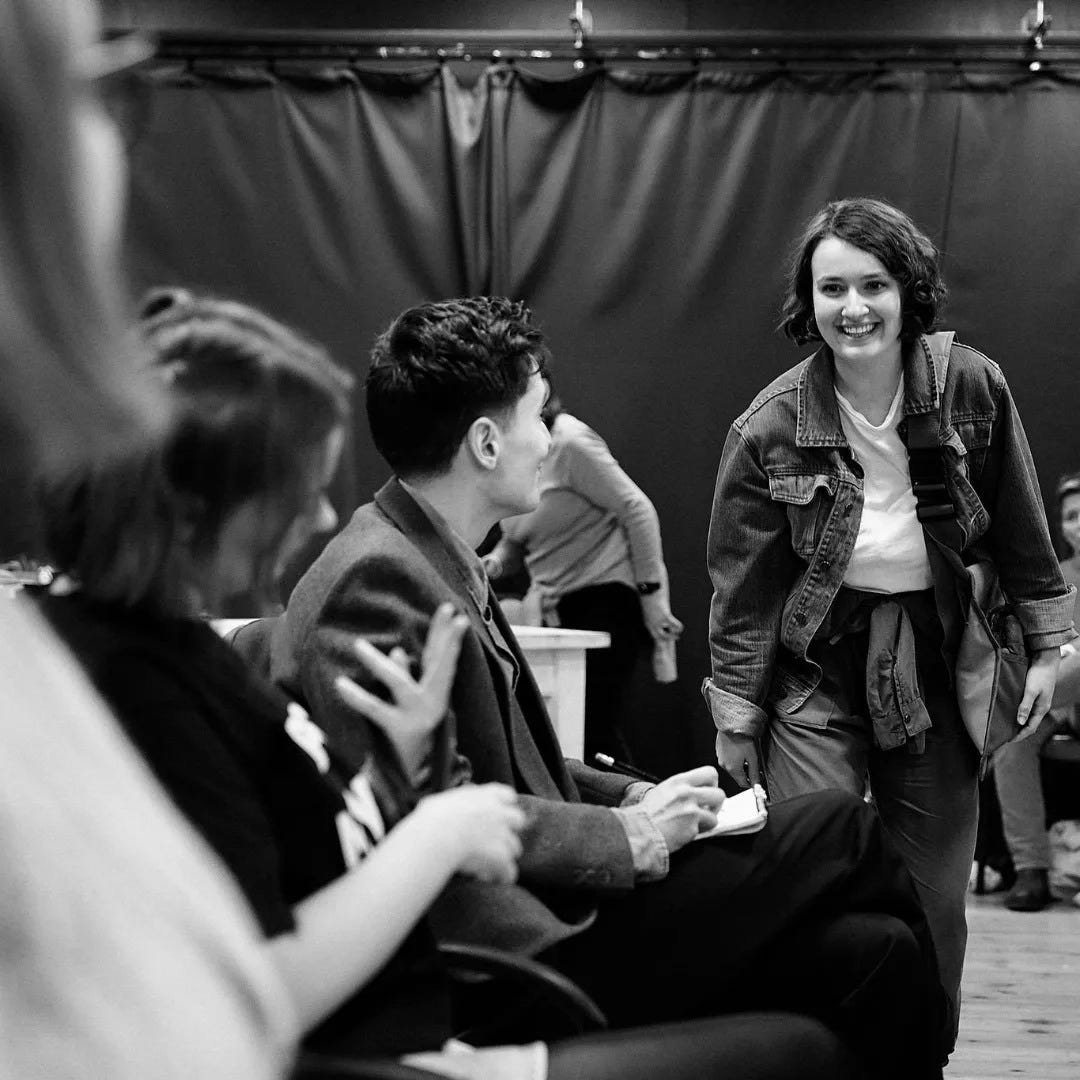
An IQ Test for My Birthday
I’ve been working on an expanded script of An IQ Test for My Birthday, the short play I wrote that was performed as part of the Tower Theatre’s Writers’ Room showcase last December. It’s about four strangers who meet when taking an IQ test. December’s version of the play ended shortly after they received their results. Now I’m writing about what happens in their lives afterwards.
In the first version, I explored ideas of what “intelligence” means, what people think it’s for, and the sometimes unfortunate ideas that people have about whether it creates value, opportunities, or obligations. The play explores “a box” and, hopefully, encourages the audience to look beyond it. It’s also about family, expectations, memory, and grief.
In this draft, I asked myself: In what contexts can these characters believably run into each other again? How can their fortunes rise and fall? How do they each feel about comparing themselves to others? Do they care? What do they really want? Can they come at their goals sideways?
The Value of Neurodiversity
Another theme I’m exploring in this new draft is neurodiversity. My play’s original director thought that one of the characters appeared to have ADHD. The idea made a lot of sense, so I’ve been deepening this part of her character, exploring nuances of what it could mean for her to have this lived experience. I’m also touching on the idea that cognitive tests can point to neurological differences. Neuroscience findings indicate structural differences in the brains of individuals who test as outliers, and these, too, impact lived experience.
I feel lucky to have witnessed some of the neurodiversity-affirming movement’s earlier forms. Due to personal connections, I attended a support group for autistic adults for a few years, and some conferences related to different diagnostic categories that are now considered part of the neurodivergent umbrella.
I saw how different ways of thinking can lead to incredible strengths and impacts in the wider world. This isn’t to stereotype or put any pressure on neurodivergent individuals. “Success stories” stand out; most of us aren’t going to live those lives. But then, some of us do! Seeing and knowing people who think like ourselves can make us feel less alone, and sometimes their success stories bring hope, or insight into different ways to thrive.
It’s important to create environments that support people who think and process information in diverse ways. Another important thing is to recognize that diversity brings value. Unemployment is higher among neurodivergent individuals; standard hiring practices can be exclusionary to many of them. But the numbers back up this concept of value: neurodiverse businesses are more productive and profitable. And many great accomplishments in art, science, sports, and across the whole range of human activities exist due to our world’s different thinkers.
Neurodiversity Resources
At work with Mind Tools, I’ve written some resources about neurodiversity from a corporate perspective, such as this infographic, an article and video about ADHD in the workplace (thanks to Mind Tools’ Neurodiversity Lived Experience Panel and to multiple reviewers with lived experience of ADHD for their input), and this blog post in response to Ed Thompson’s book A Hidden Force: Unlocking the Potential of Neurodiversity at Work.
I’ve contributed stories and poems to anthologies with Autonomous Press. Dr. Nick Walker, managing editor and academic, is behind a lot of foundational thinking about neurodiversity and has a website that includes insightful essays. Walker’s book Neuroqueer Heresies is excellent, with an activist perspective that examines topics more deeply than the corporate material I shared above.
One standout concept in the book is that there aren’t “normal brains” per se, but rather people who internalize norms of performance and find them relatively natural. And just as neurodivergent people can learn to unmask, finding freedom in shedding stressful attempts to resemble neurotypical norms, any of us can find freedom in tapping into what feels natural for our bodies and minds, beyond socialized ways of acting.
I’ve also taken the Positive Psychology Network’s CPD Accredited Introduction to Strengths-Based Approaches to Neurodiversity and Inclusion at Work, a course I’d recommend highly. And Richard Lavoie’s workshop from the 80s on what it’s like to experience specific learning disabilities helped me to understand the challenges of processing information differently more clearly than years of study.
If you’re interested in this topic, there are many resources out there to explore. Self-exploration counts, too. Don’t underestimate the value of listening, learning, and taking small steps to make the world more neuro-inclusive.
ESEA Authors Lit Fest Fundraiser With Perks
Last September, authors with heritages from all over East and Southeast Asia (EASA) came together for London’s first ESEA Lit Fest. Now, a group of UK-based authors and illustrators are fundraising to make 2024’s lit fest happen for ESEA heritage month on September 14.
The Indiegogo campaign is here, and it has some amazing perks! They include consultations and feedback from literary agents and authors, signed books, writing courses, the chance to name a character in a novel, and more.
Head on over and see if anything strikes your fancy!
A Free Speculative Fiction Magazine
One of my poems is in the editing process for Augur Magazine, where it will be published later this year. Augur is a Canadian publication that specializes in literature that’s “difficult to classify” in speculative spaces.
Augur has just put one of their issues online for free, and it’s full of intriguing work. They plan to keep putting back issues online for everyone to read. Check out issue 6.1 here if you’re looking for an extra sense of wonder and possibility in your day.
Until next week!